What Every Pilates Instructor Should Know About Scar Tissue

Understanding scar tissue is essential to guiding clients safely, restoring mobility, and preventing compensatory patterns that lead to chronic dysfunction.
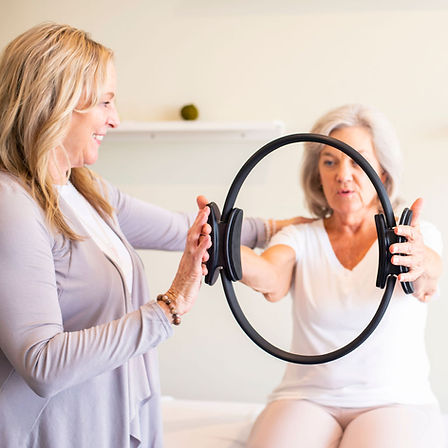
Joseph Pilates designed his method to help the body move with strength, control, and awareness. His work is built on six foundational principles:
Breath
Concentration
Centering
Control
Precision
Flow
When scars are part of the picture, these principles become even more important.For Pilates instructors, understanding scar tissue is essential to guiding clients safely, restoring mobility, and preventing compensatory patterns that lead to chronic dysfunction. The Six Pilates Principles Through a Scar-Informed Lens: 1. Breath: The Driving Force Breath supports every movement in Pilates. It helps activate the deep core muscles and connects the mind and body during exercise.Scars from surgeries such as C-sections, gallbladder removal, or abdominal procedures can create pulling or tightness in the tissues. This can limit how well the diaphragm moves. When breathing is restricted, nearby muscles may not engage easily, and the body may begin to compensate. Improving breath helps restore natural support and makes movement safer and more efficient. 2. Concentration: Awareness Before Effort Pilates requires focus. Concentration helps the brain stay connected to what the body is doing in each moment. Scar tissue and adhesions can interfere with this communication. Scars may reduce sensation or cause the body to avoid certain areas without us realizing it. When attention is gently brought back to these areas and the scar tissue is softly realigned, the nervous system can begin to recognize them again and send clearer signals. With concentration, movement becomes intentional rather than automatic. The brain begins to receive clearer information from areas affected by scar tissue, allowing those tissues to be included in movement again. As communication improves, the body relies less on compensation and more on coordinated, efficient patterns that feel stable and supported. 3. Centering: The Powerhouse Centering refers to the “powerhouse,” which includes the abdominals, pelvic floor, hips, and lower back. All movement in Pilates begins from this center.
Scars in the abdomen or pelvis can disrupt how the powerhouse activates. When scar tissue limits movement between tissue layers, the core may not engage evenly. This can reduce stability and increase strain elsewhere. Restoring connection through the center helps the body feel grounded, supported, and more confident in movement. 4. Control: Moving with Intention
Pilates emphasizes control rather than force or speed. Each movement is done with purpose. Scar tissue can change how the nervous system organizes movement. Without control, the body may rush or avoid certain motions. Slow, intentional movement helps retrain the brain and body, allowing muscles to work together more smoothly and reducing unnecessary tension or guarding. 5. Precision: Quality Over Quantity
Precision means performing movements with care and accuracy, not repetition or intensity. Scars can blur the body’s internal sense of position and movement. When precision is emphasized, the brain receives clearer feedback from the body. This helps restore balanced movement patterns and prevents other areas from overworking to compensate for scar-related restrictions. 6. Flow: Ease and Continuity
Flow connects movements into a smooth, continuous rhythm. Scar restrictions can interrupt this rhythm, creating stiffness or hesitation during transitions. As scars become more integrated into movement, flow improves. The body begins to move with greater ease, efficiency, and confidence, allowing motion to feel more natural and less forced. Bringing It All Together
Joseph Pilates believed movement should restore the body, not strain it. When scars are acknowledged and addressed, these six principles become powerful tools for rebuilding connection, reducing compensation, and supporting long-term movement health.

Pilates emphasises balanced muscular recruitment and smooth kinetic chains. Scar tissue disrupts these principles in several ways: Restricted mobility: Adhesions limit joint range, making exercises like spine articulation or hip extension difficult. Altered breath mechanics: Thoracic or abdominal scars (e.g., from C-sections or cardiac surgery) can restrict diaphragmatic movement, reducing breath efficiency. Compensatory strain: When scar tissue limits one area, other muscles overwork to compensate, leading to imbalances and potential injury. Neurological sensitivity: Scars may contain hypersensitive nerve endings, causing discomfort during stretching or load-bearing exercises. Whilst Pilates focuses on movement, instructors should be aware of gentle manual therapies that complement exercise. Techniques such as scar tissue release methods - including approaches like MSTR® (McLoughlin Scar Tissue Release®) can soften adhesions and restore tissue mobility.
When combined with Pilates, this creates a powerful synergy: manual release improves tissue quality, whilst Pilates retrains functional movement patterns. Ignoring scar tissue can compromise Pilates outcomes. Clients may struggle with persistent stiffness, poor breath mechanics, or unexplained pain despite diligent practice. Scar tissue is more than a cosmetic mark—it is a structural and functional challenge that can undermine Pilates principles.
By understanding its impact, modifying exercises, and recognising when complementary therapies like scar release may help, Pilates instructors can empower clients to move with greater freedom, balance, and resilience.
If you’re working with clients who aren’t progressing as expected, or who describe tightness, pulling, or restriction that doesn’t fully resolve, it may be worth considering whether scar tissue is part of the picture.
What have other Pilates instructors discovered? Read more



Comments